Why choose the TERMA mole?

This question will be asked by anyone considering the purchase of an impact power pneumatic mole.

There are several manufacturers on the market today, some of whom offer high-quality machines, while others offer machines with a low purchase price.

Here are just the most important reasons why you should choose the TERMA MAX machine:

  • The most favorable ratio between the price of the machine and its quality;
  • Very good accuracy of the performed thrusts;
  • High impact energy;
  • Low demand for supply air;
  • Low operating costs;
  • Easy change of working direction (pneumatic reversing) in each machine, from the smallest K55S;
  • We provide professional assistance in choosing the best solution for your company;
  • We deliver the purchased machine to your production site;
  • We will train your employees on how to use the machine;
  • We provide you with professional advice on the operation of the machine during the entire life of the machine.

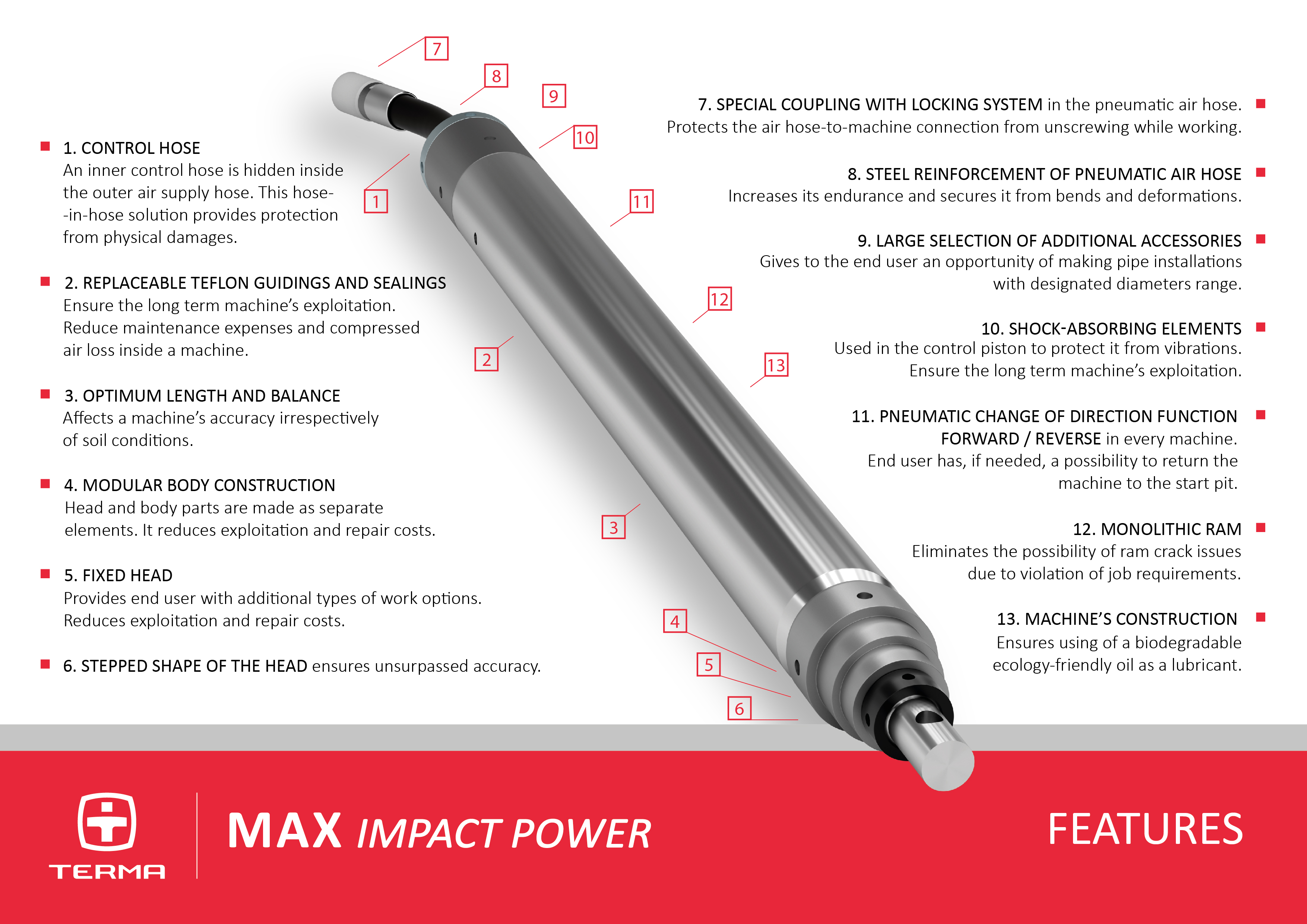
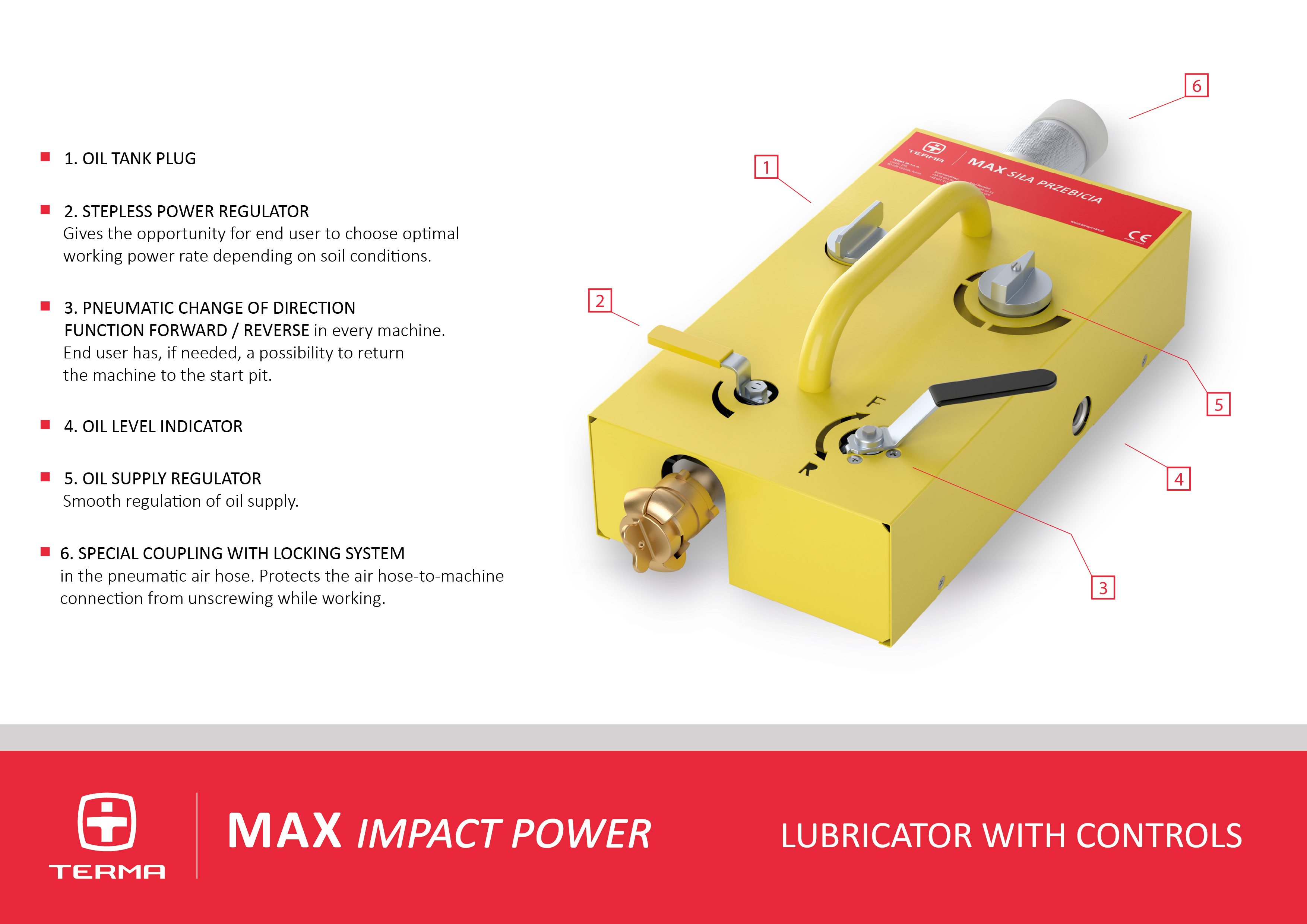
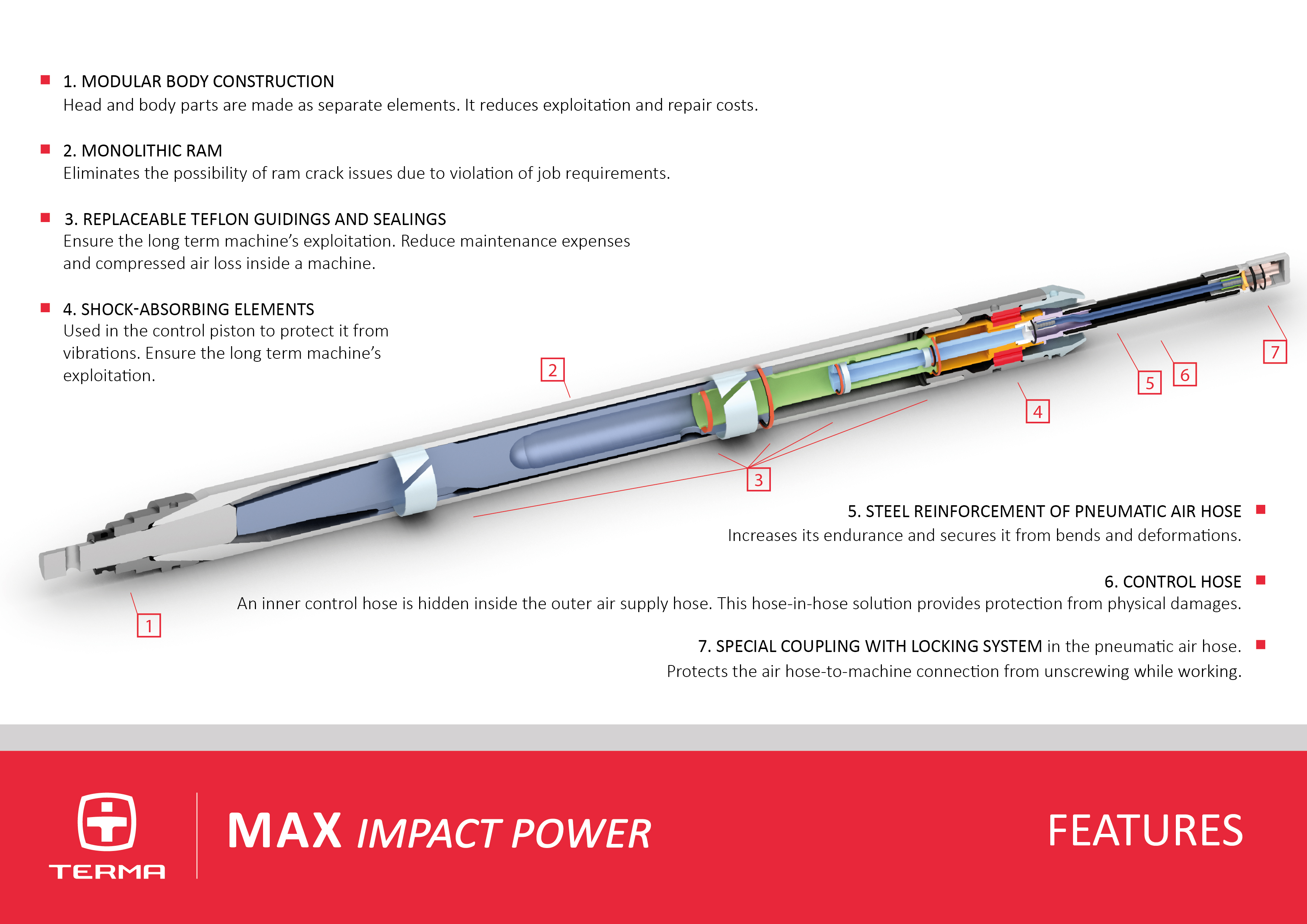
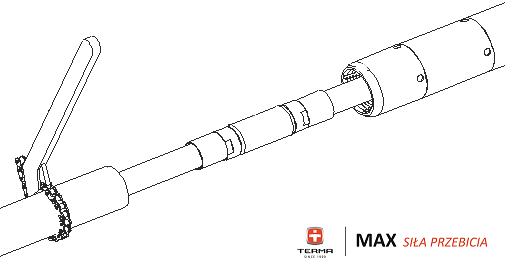
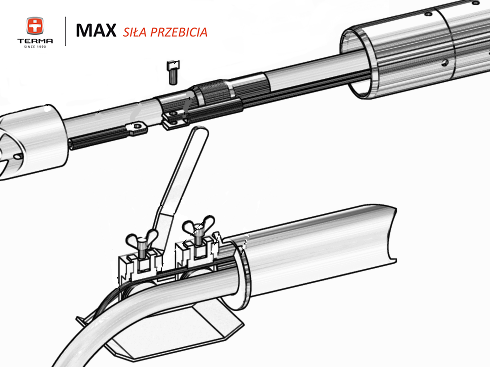
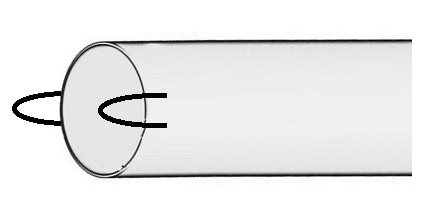
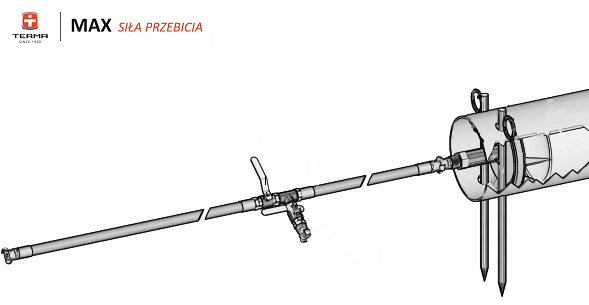
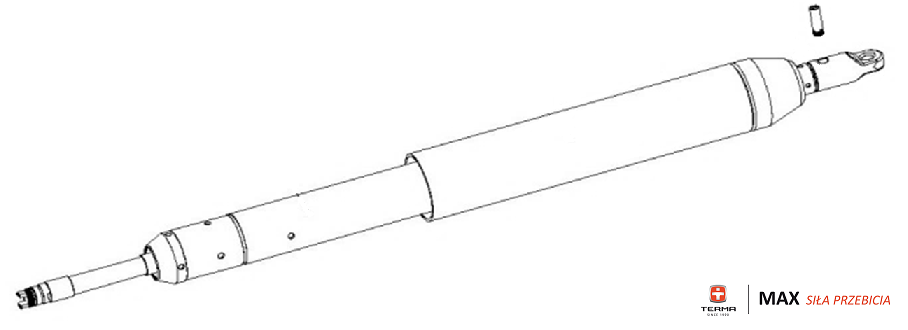
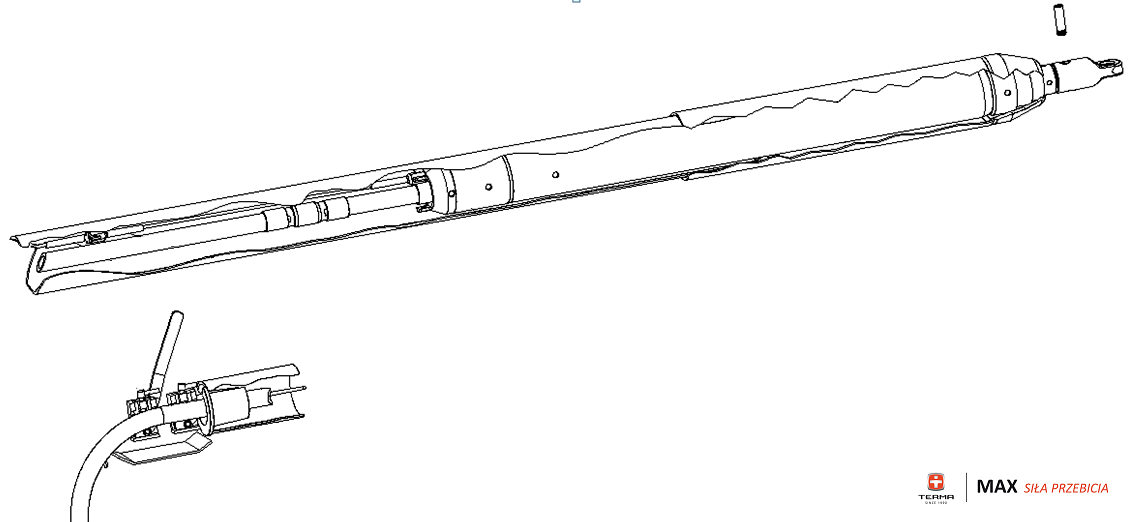
And in the pictures below, we show the features and advantages of our machines. Before buying, we advise you to make sure whether another manufacturer offers the same features / advantages / parameters, in their machines. These features indicated by us, are even necessary for an effective and efficient installation. Such parameters/features are indicated by customers themselves. We have come to customers who, in the past, purchased a mole with manual override, and not the kind we offer in our machines - pneumatic. And when the need arose to withdraw the mole in a crisis situation, the manual system made it impossible to do so. This quite significantly complicated the implementation of the installation. Other customers had frequent problems with the accuracy of other manufacturers' machines. And yet another user of a machine from another manufacturer, who had been performing quite a few borings, had the notorious problem of high service costs and/or numerous machine failures and work stoppages, because it turned out that the machine, without replaceable sliding and sealing elements, refused to serve just at the moment of intensive work. And then, during a visit to the service center, it turned out that such a machine required expensive reconditioning of the piston or other control elements of the machine.

Mole features 01


Mole features 02


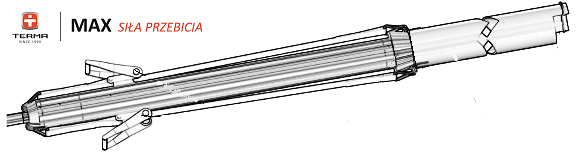
And another illustration of what our machines look like inside. It's worth mentioning once again that we are the only manufacturer in the world to offer a front/rear control system on EVERY MACHINE in our range, starting with the smallest K55S.


Mole features 03


MAX Impact Power

is a highly valued and well-known brand for more than 20 years.


What is the mole

Mole, ground rocket, piercing tool, trenchless technology hammer, these are most frequently used names to call the machines we produce. Trenchless machines are widely used in water, sewage, gas, electrical and other installations. It is possible to make an underground installation using so called trenchless method without an interference with existing infrastructure by using the machines. It means, that there is no need to make a trench for the whole installation. It is quite enough to make two pits: a starting pit – the starting point of planned installation and a final one – an end of the planned installation or an and of its section.

On the picture below is schematically shown the most frequent trenchless bore job.

MAKING A HOLE

ilustracja
Starting from Start pit, aiming

ilustracja
The final phase of installation


INSERTING PLASTIC PIPES

ilustracja
Starting from Start pit, aiming

ilustracja
The final phase of installation


HAMMERING STEEL PIPES

ilustracja


The moles are usually used to make pipe installations under existing roads, pavements, others communication routes. Piercing machines allow to execute works with no need of partial dismantling of an existing road before the installation works and one’s renewal after. This gives the possibility to make savings of a project’s budget. Besides, trenchless technology installations allow to avoid local environment losses such as traffic jams, detours, an excessive noise. For drivers the most important is that the surface of road stays untouched.

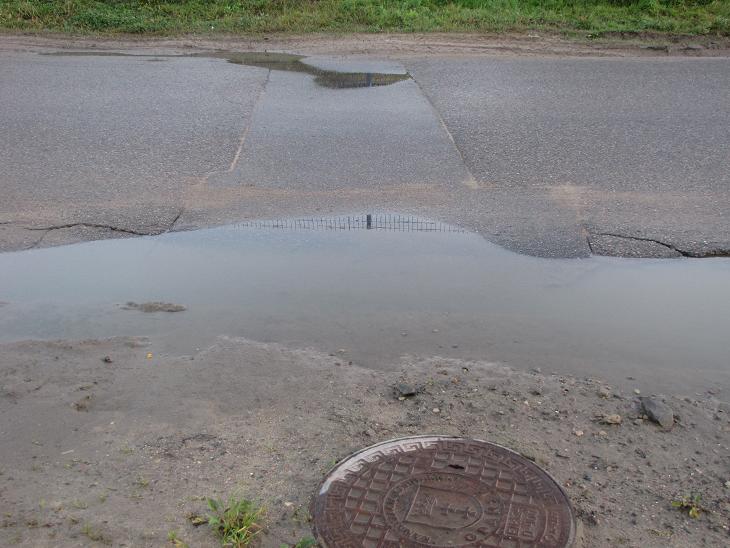
We are aware that every intervention of existing road’s monolithic structure will sooner or later require regular maintenance in places where the consistency of the surface has been breached. On pictures below shown some examples of locations where an installation works were made using traditional open excavation method.

ilustracja

ilustracja

ilustracja

ilustracja

Consequences of the traditional excavation method - damaged asphalt pavement

At every location shown on pictures should be used a trenchless technology. However, due to a traffic load, a bumps start to appear on a road surface. They gradually become bigger and at some future time the road needs to be closed for repair. It was quite enough to use mole instead. The potential of the simplest but the most effective trenchless tools, namely, moles is presented below.

REQUIREMENTS...

A source of compressed air will be required to power the mole. For this purpose mobile compressors on a wheeled chassis are most frequently used. The larger piercing tool the greater air consumption it has. Strong, powerful moles require an amount of compressed air that could be supplied by popular modern air compressors available on the market. Standard set of equipment for trenchless piercing is presented on the illustration below.

ilustracja


WHAT COULD BE DONE ...

Impact moles are used to make boreholes. They also can make plastic pipes pulling and steel pipes ramming. There are a lot of additional accessories allowing to make almost every installation using trenchless method. Typical installations and diameters are presented in below tables. 

machine/ diameter

MAKING BOREHOLES (mm)

Ø55

Ø65

Ø75

Ø95

Ø135

Ø130

Ø160

Ø180

Ø195

Ø219

Ø244

K55S


K65KS


K65S


K75KS


K75S


K95S


K130S


K160S


K180S


mole


mole + expander


machine/ diameter

PULLING PIPES PE/PVC (mm)

Ø50

Ø63

Ø75

Ø90

Ø110

Ø125

Ø140

Ø160

Ø180

Ø200

Ø225

K55S


K65KS


K65S


K75KS


K75S


K95S


K130S


K160S


K180S


mole + accessories for pulling pipes


mole + accessories for pulling pipes or/and expander


machine/ diameter

RAMMING STEEL PIPES (mm)

Ø133

Ø159

Ø219

Ø273

Ø323

Ø355

Ø406

Ø457

Ø508

Ø610

Ø711

K55S


K65KS


K65S


K75KS


K75S


K95S


K130S


K160S


K180S


T240


mole + dedicated cone (set of cones)


The drilling speed is depending on ground conditions and the size of the mole. Nonetheless, it can be said, that average drilling speed is 0,5-1,5 meters per minute. Usual length of a mole bore is 8-20 meters, although, it is possible to make an aimed bore through a distance more than 40 meters long. It depends on operator’s experience and knowledge.


IT IS GOOD TO KNOW…

Piercing works with mole have to be done at an appointed minimal depth. Generally, it should be at least 10 times more than machine’s diameter. This indispensable condition arises from the fact that the mole does not squeeze the soil ahead but it compacts the soil around a borehole. In case of heavily compacted hard soils the less depth could lead to surface distention. The maximal installation depth depends on individual design project.

Impact moles are non-steerable machines. It means that the machine can’t be controlled during the work underground. The only way to aim the machine properly is to adjust its position before the whole machine will sink underground. However, an operator should not be afraid of aim declination after the mole was properly set in starting pit. The construction of impact moles is so developed, that it is possible to use them in extremely hard ground conditions. Ran against an obstacle, the mole rather destroy it then decline the specified trajectory. A starting platform could be definitely useful for the beginners. It is a simple device, that makes aiming much more easier. Aiming and positioning itself is realized with a help of optical set which consists of spyglass and surveying rod.


IN PRACTICE...

Piercing works are most frequently performed on short segments, up to 10 meters. However, the good, accurate machine, can easily cope with a much longer distances, reaching up to 30 meters and more. However, it truth be told, accurate piercing work on a long distance requires reach experience.

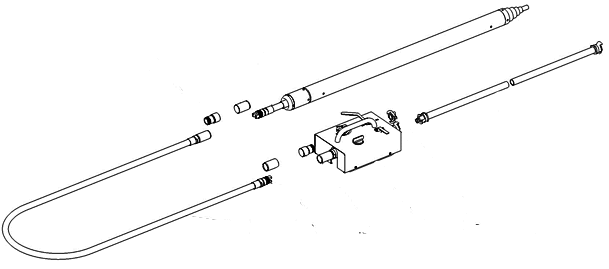
The mole basic set itself allows to perform solo boring from the start pit to the end pit. The basic set consists of the following elements:

 
  ilustracja


Pneumatic impact mole

Obraz zawierający żółty

Opis wygenerowany automatycznie

Lubricator with controls

ilustracja

Pneumatic air hose

ilustracjailustracja ilustracja

Tools and supply materials

A manual pulling tool, presented on a picture below, being secured on an air hose allows to pull a PE/PVC pipe diameters up to 55 mm into the mole’s borehole.

ilustracja

Most often moles are used to pull casing pipes, directly behind the machine. For this purpose, the mole should be equipped with a pipe pulling sleeve fastened to the rear of the mole. The sleeve of corresponding size should be used. For pipes of larger diameter, typically 90 mm or more, an additional system is used. The system includes steel rope and a tensioner and guarantees a reliable fastening of the pulled pipe inside the pipe sleeve. Smaller pipes only require using of a sleeve provided with a specially shaped slot for attachment of the inserted pipe into it. Here is a photo with examples of accessories for pipe pulling directly behind the machine.


ilustracja


It may happen a situation when we need to make a solo bore or install a plastic pipe, with a diameter bigger than the diameter of your machine. Manufacturers of impact moles meet the challenge by offering so-called expanders, also known as calibrators. These are steel cylinders ended with cone, having a diameter bigger than the diameter of the mole. At first, a pilot bore should be made by the mole, and then its diameter could be extended by performing re-boring with fastened expander. Of course, the easiest way to realize such an installation is to purchase the machine with a bigger diameter, that allows a retraction of bigger diameter pipes directly behind the machine. Not always, however, the purchase of a larger machine has an economic sense. It depends on the amount and frequency of such works. If you install large pipes sporadically, it is cheaper but more difficult to install them using an already owned, smaller machine, armed with an appropriate calibrator.


ilustracja


The impact mole can also be used for steel pipes ramming. These pipes are used in water – sewage systems as casing for secondary installation, or directly as supply pipes. A set of cones is needed for this type of trenchless works. With a help of these cones the mole is tightened with previously prepared for ramming steel pipe. In some soil conditions, such as muddy and wet clay or other wet soil, it is impossible to perform the installation by pulling of PE / PVC pipes. Is those cases ramming of steel pipes is recommended alternative.


ilustracja

Smaller steel pipe are rammed with a steel cone plugged from the front of the pipe. Larger pipes, with diameter from 159 mm, are rammed open due to the resistance of the soil during pipe’s movement. Being installed underground, the pipe should be cleaned by blowing the soil out with blow-out plugs and foam pistons. It should be added that apart from impact moles, characterized, as you could see, by a high flexibility, there is a group of machines, dedicated exclusively for hammering of steel pipes. We're talking about pneumatic hammers. Their construction is much simpler and does not have to ensure accuracy. Hammer itself, does not move in the soil, its role is push ahead, ram steel pipe.

A group of moles with so called reciprocating head are available on the market. However these machines are not dedicated to ramming of steel pipes or to work with expanders. It is worth to remember if you are looking for an effective, universal solution.

Like any machinery, impact moles require periodic maintenance. It is necessary to save the reliability of the machine for years. Good machines have a lifecycle up to 10 years of operation. Some elements of the mole, are subjected to high loads and require a periodic replacement. Well-designed machines, reduce to a minimum the costs of maintenance and repairs, because that parts and elements of the machines that are subject of wear are not a monolithic structure but separate details, assembled together. The  proper approach to the machines during a service is very important. A good company provides service at the highest level, where every machine is treated individually with a diligence and a commitment.

Good machine is one that meets all the user’s expectations. We purchase impact mole for many years. It is worth choosing the appropriate machine for your own works. It is worth studying other users opinion concerning the machine. A good impact mole is the one which you could acquaint with by testing in natural conditions of a construction site, before making the final decision about purchase.

Moreover, good machines should be characterized by high level of job security, ease of use and should be environmentally friendly.


HOW TO START

The experience and knowledge, enabling effective implementation of even the most demanding trenchless works in difficult ground conditions, gains over the years. Machines that currently commercially available are so user-friendly and easy to use that even a beginner at trenchless earthworks, should have no problems with the typical water supply connections, or other commonly performed works. There are some periodicals on the market dedicated to trenchless techniques, Internet network is rich in numerous publications and forums. So, there are places, where to get theoretical knowledge. So as practical. There is a very good initiative among producers and distributors to organize a training on a client’s construction site, where a customer receive practical knowledge in operation and maintenance of the machine. Usually, such training are accompanied with handing over a machine from producer to a customer. Using of devices that make easier a precise aiming of an impact mole could be helpful for beginners. These are a starting platform and an optical set.


ilustracja


WHAT IT IS WORTH TO REMEMBER

It could be initially difficult to choose the right machine for client’s needs considering the amount of manufacturers and products currently available on the marker.  Beginning our acquaintance with trenchless technologies, it is difficult to define challenges of the nearest future. It is better to send qualifying questions concerning client’s expectations directly to the manufacturer or distributor. Through a series of questions, it will help to choose a set according to individual preferences, taking into account economic aspects of purchase also.

But there is a universal set of desirable features that should have any trenchless machine, that is common to all devices of this type. The most important features are:

Accuracy. This is undoubtedly the most important feature of trenchless machines. Missing target during trenchless work may lead to significant costs in consequence to the necessity of repairing the damaged infrastructure. Most of machines, considered as accurate, that are currently presented on the market, have stepped shape of the head part. This solution minimizes the potential consequences of mole’s collision with extremely difficult obstacles. The proper length and machine’s balance is very important for mole’s accuracy. Constructing an impact mole, manufacturers consider accuracy as the most important parameter.

Design and durability. Features that ensures long-term using of an impact mole. It is worth to purchase a machine with simple design, that is resistant to extreme working conditions. Materials with increased resistance to stress, metal fatigue, corrosion, the effect of friction in the ground should be used for the production of moles. Many of well-known manufacturers apply simple and easy replaceable sliding and sealing elements that assume itself effects of work and friction in difficult conditions including contaminations by loose sand, water and mud. Such a design solution requires periodic replacement of these elements, but it eliminates the necessity of expensive regeneration or replacement of basic mole’s parts, damaged by friction. It is worth to pay attention if external parts of the mole create a monolithic block, or it is possible to dismantle individual parts, allowing changing of only one. This significantly reduces the cost of servicing the machine. 

Ease of use. It is worth to have an impact mole that could easily and quickly change its working direction in any circumstances. A technical solution called pneumatic steering satisfies that condition best of all. It is based on remote change of machine’s working direction from forward to reverse and vice versa by changing the position of control valve handle on a lubrication control station. Other operations are not required for this purpose. Unfortunately, there are situations when the machine encounters a difficult obstacle and does not have a possibility to continue the work in a given place. An urgent necessity to withdraw the mole may appear for many other reasons. It is worth to have such an ace in the hole as the possibility of quick mole’s withdrawal, without having to close the air inlet supply.

Eco-friendliness. Modern piercing machines can be freely used in all kinds of terrain, even in areas covered by the specific regulations of environmental protection. Such places include parks, direct water intake areas, other public places. Original design solutions, materials and technologies being used for the production, allow the use of harmless lubricants based on glycol to lubricate a machine.

Functionality. The scope of works, that could be realized by a given machine, depends on its size. Generally, it is possible to install plastic pipes with diameters up to 200 mm with the help of typical piercing machines. Moles allow for the ramming of steel pipes up to a diameter of 406 mm. Fixed head moles are widely used. It is possible to effectively realize steel pipe ramming and to work with expanders. According to the opinion of a part of users and some manufacturers, moles with fixed head cope better in typical soils, compared to machines with active head. Besides, fixed head moles, have less moving parts to wear out, so it decreases maintenance costs.

Practical use of moles is presented on the following examples:

1. Building to building installation

ilustracja

Let’s imagine that a building to building installation of the Internet cable should be made and, for some reason, it is impossible to perform it in the form of an aerial line. Such line could be polluted by birds while roof transceiver/receiver equipment could be devastated by cats. Using a mole, just go down to the basement level of the building, carve a hole in the wall and start a mole in it aiming neighboring building’s basement wall. As soon as the mole reaches the target it "knocks" to the wall of a neighboring building, marking a place for executing of a hole through which a casing pipe for the cable line could be installed.

In this case, we have an alternative in the form of an  open trench, but why should we use it, if we have moles, accurate moles.

2. Time for rails


ilustracja

In this case, there is no way out. Nobody will allow to close a railway, even temporarily, to make an open trench installation. So, the mole or another trenchless technology machine is the only choice. But any other machine is much more expensive so the installation cost is correspondingly higher. Moles are the cheapest equipment for that type of work. And the most effective one

3. Intersections

ilustracja

Construction or renovation of street lighting system, without the proper methods of implementation, may cause many troubles. The use of traditional methods, certainly will significantly increase blood pressure among customers that use the closed section of the road every day. Traffic jams, problems with access to work and back home, wasted time, fuel, money, bad mood accompanying pre-arranged visits’ delays, sadness on the faces of our children, been picked-up from of kindergartens and schools with tardiness. These are losses that difficult to calculate and hard to fix. Using of accurate mole may prevent situations mentioned above and no one will close a road for us the during the installation work.

4. Usual road

ilustracja

Here is typical, the most common installation. Even there, where road closing probably will not cause much inconvenience, the costs and time of installation convinces us to use trenchless technology machines such as impact moles. 

5. Steel pipes

ilustracja

It rarely occurs that there is a need of steel casing pipe installing according to the project documentation. Being multifunctional equipment the mole can easily cope with this type of work. Depending on the place available for the starting pit, pipe can be in one piece or divided into sections, welded together during the assembly of each subsequent section.

6. No way out situations

ilustracja

Here is an entrance to the center of a big city. An expansion of the existing road infrastructure causes an expansion of the existing retention system, a new network connection to the existing water storage. Trenchless techniques limited traffic problems to one of the three lanes only. And even this reduced the traffic flow. We could only imagine what would have happened here if the entire road is closed?

7. What do we have here?

ilustracja

We do not know why this part of the installation was made using open method here. A mole have been used on other sections of the installation, running under paved surface. Why have not been used at this section? Probably, there was no space for final pit. However, so-called pneumatic reverse moles can be withdrawn and picked up from the starting pit.

8. Property entrance

ilustracja

The new installation was built along the existing roadway and under the driveway to a property. An impact mole allows to make an installation without any embarrassments for the property owners in getting to it.

9. Vertically is also possible

ilustracja

In African countries, our moles are used for the so-called micro-piling (reinforcement of bearing capacity of building basements by vertical steel piles ramming it a predetermined depth where piles are coupled with a basement).

10. You can do more with accurate impact mole

ilustracja

Properly balanced, accurate moles enable to install multiple casing pipes next to each other without any problems. We can see an installation of two parallel casing pipes on the following photo. Just remember that the mole operates on the principle of soil compaction while moving under the ground.  Depending on soil conditions, you should leave some space between pipes that are installed.

11. To/from the median grass strip

ilustracja

We should not have any problems in the case of dual carriageway roads with grass strip separating them. In addition to start pit and end pit you should make a middle pit on the grass strip, make a first bore to it as a first stage and start the second stage of the installation beginning in it.

12. What about winter?

ilustracja

Good impact moles usually work well in sub-zero outside temperatures. To prevent mole’s freezing in extremely low temperatures, a compressed air heater is used. Please contact our Sales Managers about the heater. It will be available in our commercial proposal soon.

13. Mud bath

ilustracja

Modern engineering solutions allow mole’s work, even in such hard conditions. Interchangeable sliding and sealing wear elements, ensure protection of mole’s moving parts from negative effects of water, sand, mud. Moles without interchangeable sliding and sealing elements when working in these conditions could have damages of the moving part’s surfaces due to metal to metal contact. It will significantly shorten the life of such moles. The impact energy of machines will also gradually decrease due to the formation of a clearance gap between mating parts. The larger clearance gaps will be the higher demand for compressed air will have the machine without teflon elements. It can be seen on a rising speed of a compressor’s engine. Of course, it will affect the cost of installation. In impact moles that use teflon technology, it is enough to equip a mole in a new set of interchangeable sliding and sealing wears, and we will have a machine acting as good as new. That is why life cycle of moles that use teflon technology in its construction reaches 8 years or more, even with heavy use.


Mole vs. other technologies

Mole vs. horizontal drilling rig

We sometimes encounter the question about which technology and machine is better: horizontal directional drilling (HDD) or mole? Which machine is more versatile. Which one will meet the customer's expectations? Which machine is worth starting the adventure with trenchless techniques. The answer to this question seems very simple: such a comparison misses the point, because each of these machines and technologies has a completely different application. There is, of course, a certain group of earthworks in which both technologies can be used, but one of these technologies will always lead the way, taking into account the time and cost of implementation, development conditions in the close vicinity of the work site and other less important components. The better technology will be the one that, at any given time, allows for a more efficient, easier and cheaper installation. The better one will be the one that, in a given installation project, is best suited for it, or even suitable as the only one of the two, having taken into account economic and capability aspects.

When considering which of these technologies is better, another example from everyday life, close to everyone, comes to mind. Namely, what is better: a car or a van? The answer is as simple as in the case of comparing HDD technology to pneumatic jacking: that car will be better, which will allow the task to be fully completed at the lowest cost and whose use is allowed by the environmental conditions of the task.

To complete the topic, in the following section we present basic data on the capabilities and application of both techniques of trenchless installation.


PNEUMATIC PIERCING

Otherwise known as a mole, a piercing machine, a jacking machine, a ground rocket. It is used for the most common work, which is the routing part of installations of any type, under the existing infrastructure/surface, without the need to dismantle the infrastructure/surface. The most common are installations over a distance in the range of 5 to 20 meters. A typical diagram of such an installation is shown in Figure 1. 

ilustracja
Figure 1
Typical application of pneumatic piercing machine

 Occasionally there are longer installations, reaching up to 40 meters and more. Here, it is worth mentioning, the most common question is - what about accuracy? After all, the mole is not a machine that can be controlled, either horizontally or vertically. You can only control the direction of operation FORWARD / BACK. Well, theoretically, a machine such as a mole, without the ability to control (in HDD drilling machines we have control), having encountered an obstacle, can change direction. However, in practice, it turns out that a change of direction that makes it impossible to perform the installation as originally intended happens extremely rarely and only where we have really extremely difficult ground conditions. In such difficult ground conditions, any other technology would also have feasibility problems. The vast majority of installations carried out by pneumatic piercing, are in fact carried out with the required precision. Provided, of course, that the machine itself has design features conducive to this accuracy. A pneumatic piercing machine of suitable design, even in the hands of an inexperienced Operator, allows for accurate making boreholes over a typical distance and in typical ground conditions. In more difficult ground conditions and over longer distances, a greater range of experience will of course come in handy.

The construction of a mole is less complicated, compared to a drilling rig or other machines used in trenchless techniques. How such a typical mole is built is shown in Figure 2. Thus, the cost of making and buying such a device is very low, if we compare it to the cost of buying other machines. To power the mole, it is enough to connect it to a source of compressed air. This air, as a result of a strictly ordered flow inside the mole, makes the piston, otherwise known as a beater, strike a certain surface giving the machine a movement in the direction of FORWARD / BACK, set by the Operator. 

construction of the piercing machine

Figure 2
Construction of the piercing machine

 The mole will allow the installation of plastic pipes, with diameters from 50 mm to 225 mm. The larger the diameter of the pipe to be installed, the larger the mole should be used. From our practice, the most versatile machine until a certain point was a mole with a diameter of 130 mm, in our case called MAX K130S. It is mainly used for the installation of pipes with a diameter of Ø110 mm and Ø125 mm. With its help, it is also possible to install pipes of smaller diameters, for example, Ø75 mm. Recently, however, there has been a noticeable tendency to use moles for dedicated diameters of the pipes to be installed, due to less lead time and reduction of logistical problems. And so: for pipes with a diameter of Ø50 mm, it is increasingly common to use not a machine with a diameter of 130 mm, but a smaller, lighter mole, designed precisely for this particular diameter, that is, a machine with a diameter of 65 mm, in our case it is MAX K65S. You can, of course, use the MAX K130S here, but what's the point if it's a much larger, much heavier machine, requiring more air, and therefore generating higher installation costs. The growing number of installations requiring the trenchless method, especially the use of a mole, is causing installation companies to equip themselves no longer with a single universal machine, but to expand their fleet with several machines of different caliber.

With the help of a mole, it is also possible to trenchless installation of steel pipes with diameters from 133 mm to 406 mm. Here we have exactly the same relationship as in the case of PE/PVC pipe installation: the larger the machine, the larger the diameter of the steel pipe can be installed.

A source of compressed air, usually in the form of a portable compressor, is required to work with a mole. And that's basically all we need. Being a novice Installer, you can still use a starting platform, in order to make it easier to align / aim the mole at the target point.

You need to make a starting pit, with a length long enough to fit our piercing machine in it, along with a section of the pipe to be installed. An end pit of similar dimensions should also be made, although if there is not enough space for it, this is not necessary, because in the event of anything you can always withdraw the mole to the starting pit, making the installation itself while the machine returns, or manually, after withdrawing and removing the mole from the starting pit.

And that's pretty much it, if we were to discuss the use of pneumatic piercing machines so briefly. To summarize: the mole is used wherever we have to deal with short sections of installations, usually under an existing road, sidewalk. Typical installations are in the range of 5-20 meters. The mole really requires a minimum of space adjacent to the planned installation. The mole is mobile, even a passenger car is sufficient to transport it to the site. The mole is low-cost to purchase and low-cost to operate. It will provide the desired efficiency and accuracy. The speed of installation in typical ground conditions is 0.3-1.0 m/min. It is easy to use, preparing it for operation costs little time. It is applicable to both pressure and gravity installations. The cost of making each meter of installation, given the above features, is relatively low, compared to the other method under consideration, which is the horizontal directional drilling (HDD).


HORIZONTAL DRILLING RIG

A method otherwise known as horizontal drilling, HDD drilling. This is a machine designed to perform installations over much longer distances, reaching hundreds of meters. A typical diagram of such an installation is shown in Figure 3.


ilustracja

Figure 3
Typical application of a horizontal drilling rig

 The construction of such a machine is much more complex, making the cost of purchasing such a machine many times higher than a mole. The machine has a hydraulic drive, which, among other things, gives the elements responsible for the implementation of the installation a rotary motion, responsible for drilling, and a reciprocating motion, responsible for the linear movement of the drilling and pushing head. The drilling rig has a sophisticated hydraulic control system, thanks to which the drilling process takes on an almost automatic character. Successive rods pressed into the ground are automatically fed from the hopper, forming the drill pipe. One operator is directly at the machine and controls its work, and the second operator, using a locator, reads the current position of the drilling-pushing head in the field. The drilling machine is a controllable device, it is possible to change the direction of drilling at any stage of its operation, which allows you to avoid obstacles the existence of which we know (water reservoirs, river). Such a machine is most often made self-propelled, moving on wheels equipped with tracks. Heavy-duty trailers are used to transport the machine to the work site.

The installation of pipes with an HDD drilling rig consists of three stages: the drilling of the pilot, i.e. the drilling from the starting point to the destination, the reaming of the hole made as a pilot to increase the diameter of the drilled hole, and the actual pull-in of the pipeline. These three stages are accompanied by the continuous feeding of mud, which has the following tasks: excavating the soil, transporting spoil to the surface, reducing friction resistance, cooling the pilot and product pipelines, sealing the borehole walls and stabilizing the borehole. Drilling rigs are most often used for pressure-type installations, although gravity-type installations can also be built using them. Drillers are used to install pipes with diameters of hundreds of mm and more.

In a brief summary of this method, we can say that: HDD drilling machines are suitable for installation at much greater distances than moles and at much larger diameters. At smaller distances, their use is highly unprofitable. It is true that with their help it is possible to perform some installations that are possible with the help of a mole, but the cost of such installation will be much higher than with the help of a mole. Not all such installations that can be done with a mole are within the reach of HDD drilling rigs, mainly because of the larger amount of space required. Drill rigs use a mud system, which, working in open circulation, negatively affects the environment in the vicinity of the work being carried out. The machine itself requires a much higher cost, both for purchase and during operation. The machine is definitely not a mobile one.


CONCLUSION

The summary will be as follows: each of these machines is dedicated to a specific group of work. Certain types of work can be done with both machines and technologies. And certain types of work are possible with only one of them. We, as a manufacturer of piercing machines, have seen a significant increase in demand for mole machines for several years now. And as citizens of our country, we are seeing more and more work being done around us using trenchless methods, which just a few years ago would certainly have been done using the traditional method of open excavation. And this makes us very happy, not even so much as manufacturers of machines, but as users of existing infrastructure, which will serve us for longer if we try to interfere with it as little as possible, precisely by using trenchless techniques.


Mole vs. hydraulic rod pushing machine

Any comparison of several trenchless technologies against each other misses the point. The various methods have different areas of application, costs and lead times. A good example of this would be to compare the technologies of horizontal drilling rig and molester. It is impossible to say which one is better, more advantageous. And this is because each of them has a different purpose, application. With a mole, we will not do an installation of hundreds of meters in one section, while having to overcome terrain obstacles (such as a river). To carry out such an installation we will go for an HDD drill rig. If, on the other hand, we have to perform a simple installation section of 20 meters, running under a local road, we will not use an HDD drilling rig for this purpose, due to the much higher ( not profitable in the end) cost and greater complication of work with such a device, and we will just use the cheaper option - an impact mole.

However, such a comparison can be made by comparing two types of equipment, both of which have almost identical application, purpose. We are talking about comparing a simple hydraulic rod pushing machine, without functions of locating and control, with another simple machine such as a pneumatic mole. Both of these devices are dedicated to the same types of trenchless installations: for a distance of 5-20 meters, you need to install a casing pipe under the existing pavement, without disturbing it.

Which of these two devices should you choose? Which is more effective? Which is more versatile? Let's try to answer this question by objectively comparing their respective parameters. We rely on opinions coming to us from our customers who have used both techniques. We also rely on opinions found online, in industry forums and social networks.


1. Equipment

A mole needs compressed air. Almost every construction company has a mobile compressor and powering a mole should not be a problem here. However, let's look at a comparison with the hydraulic rod pushing machine. Regardless of the machine we are installing, for both cases we need to make a starting pit and an ending pit. For this we need an excavator or at least a mini-excavator. This excavator can in turn be the power source for the hydraulic rod pushing machine. That is, when doing a mole installation, we need to have three machines on site: an excavator, a compressor and a mole. Working with the hydraulic rod pushing machine, on the other hand, we only need an excavator and a jacking machine.

The total cost of the jacking equipment, is much less in the case of the hydraulic rod pushing machine, if we look at it in such a way that we start in the construction market and have to equip ourselves from scratch.

Advantage of the HYDRAULIC ROD PUSHING MACHINE.


2. Installation of the device before starting work

Both devices are of similar weight.  Both require a few minutes/ten minutes (depending on the terrain) to spread out on the site, connecting the various components. The mole, before it can be let loose into the ground at full power, must penetrate at least half of its length. Only then will the cylinder catch traction with the ground and the machine with all its power hit the piston (beater) on the anvil, will go forward. Before this can happen, the mole must be helped to achieve this adhesion by, among other things, reducing the amount of air supply and pressing it against the ground.

The hydraulic jacking machine, in turn, must be properly seated and anchored in the starting pit. Often it is not enough to support its rear against the rear wall of the starting pit and during the first centimeters of jacking, the machine will change its position under the influence of its own head thrust. Both technologies can be described as relatively easy and quick to install, compared to other, more advanced technologies.

Both technologies have no special requirements. We have a tie.


3. Speed of performing installations

Here, at first glance, it is difficult to find a single, clear favorite. In order to obtain reliable data, individual piercing using both types of machines would have to be carried out in exactly the same ground conditions. The speed of piercing through the ground, on a global scale, can be assumed to be comparable in both cases. However, in the case of the hydraulic rod pushing machine, the piercing process is interrupted, due to the need to add/add more rod segments. In addition, in case of the hydraulic rod pushing machine, the pipe itself is pulled in while the jacking head is reversing (pulling back). In case of moles, it is extremely rare that the pipe is pulled in during the mole's return to the starting pit. The mole usually pulls in the pipe in the very first operation, pulling it directly behind the device. Remember, however, that in the final analysis of the implementation of the installation, time does not play such an important role. Unless the difference in times would be 100% or more. In our case, this is not the case, whether the installation will take 20 or 30 minutes, it does not really matter. Nevertheless, the mole has an advantage here, mainly because it does not have to interrupt the work as it does when working with the hydraulic rod pushing machine and having to add/add more rod segments.

Advantage of the IMPACT MOLE.


4. Handling during installation

In this area, the mole definitely wins. All we have to do is direct it properly, start it up, check that it hasn't changed its trajectory as it plunges into the vertical wall of the starting pit, correct it if necessary, and let it go on. And all that remains is to wait for it to reach the target pit, checking only from time to time to see if the air hose plunges behind the mole, indicating the progress of piercing. You can stand on the surface of the ground, and try to locate where the mole is beating the ground at any given time. With the hydraulic rod pushing machine, unfortunately, you have to stand at/on the machine all the time, and depending on the stage of installation, add/add more rods, and stop/start the pushing machine itself.

Advantage of the IMPACT MOLE.


5. Accuracy

This is undoubtedly the most important parameter. The success of our work depends on the accuracy. In this case, the mole has an undoubted advantage, which is the impact. This impact allows you to overcome hard obstacles on which the hydraulic rod pushing machine will fall. The rod of the hydraulic rod pushing machine in such a case will bend and the entire jacking will change direction, come out off target. The mole, on the other hand, equipped with a stepped head, will more easily cope with a hard obstacle. Occasionally, of course, there are situations when the mole, having encountered loose and soggy ground, will not cope with such an installation, and in such a case it remains to ram steel pipe. In the vast majority of jobs, however, more important is the ability to overcome hard obstacles, which the mole can handle perfectly well with high accuracy. The hydraulic rod pushing machine, on the other hand, will not be able to cope with a hard obstacle or will succumb to it at the cost of a significant drop in accuracy.

Significant advantage of the IMPACT MOLE.


6. Versatility

Due to the impactive nature of their work, moles perform well in the vast majority of cases and soil types. In rocky soils and in very hard soils, the impact allows to perform the installation with the intended accuracy. The hydraulic rod pushing machine will not cope in such situations, we will not perform the installation with it in such cases, we will have to reach for an alternative solution. In wet, clay soils, the hydraulic rod pushing machine will prove better, but in turn the mole gives an effective alternative in the form of the ability to ram a steel pipe. In most typical soils, both devices will do just fine.

Advantage of the IMPACT MOLE.


Summary:

It is best to put them in a table. We encourage all comments and discussion on the topic.

CATEGORY

MOLE

ROD PUSHING MACHINE

Equipment


😊

Installation of the device

😊

😊

Speed of performing

😊


Handling during installation

😊


Accuracy

😊


Versatility

😊


TOTAL:

5

2


Mole's accuracy


ilustracja

Moles are non-steerable devices. This means that it is not possible to change the direction of operation LEFT / RIGHT and UP / DOWN of the machine during thrusting. It is only possible to change the direction of REAR / FORWARD, through the valve in the oiler. However, the adjustment of the machine's course itself is only possible at the beginning of the piercing being carried out, before the whole machine disappears into the ground. How you set it at the beginning will determine the accuracy of the piercing being performed.

ilustracja

One of the most important components of a mole, which has a direct impact on making boreholes accuracy, is the head, or more precisely, its shape. Moles that have a stepped head perform best:

ilustracja

This head shape minimizes the possibility of changing the machine's track upon encountering hard obstacles. The obstacle gets broken up by consecutively increasing head diameters until the machine has paved its way in the hard ground throughout the entire diameter.

ilustracja

A mole equipped with another type of head - a conical head - shows a slightly higher speed in making boreholes. However, it loses significantly in accuracy. And it is accuracy that is the key feature of moles. An inaccurate piercing, especially in the vertical axis, can result in unplanned high costs due to damage to the pavement under which the piercing is carried out. A mole with a conical head, having encountered an obstacle, usually slides over it, changing the direction initially set for it. Changing the angle of the mole's track by just 1o, causes a deviation of as much as 20 cm from the planned exit point of the machine, over a distance of 10 meters of piercing.  The cone head is good only in places where we are dealing with uniform soil, with the same degree of compaction regardless of depth, without inclusions of hard structures. However, such soil conditions are difficult to find, so it is worthwhile, for safety reasons, to always use machines equipped with a stepped head. All our machines have such heads. On special request we can make conical heads, according to individual expectations, but we definitely do not recommend this solution.

In the following pictures we show how the shape of the head affects the accuracy of making boreholes. In the first picture, we see how the mole copes when encountering a hard obstacle. The impact energy of the machine is high enough that it is able to crush such an obstacle. For example, the MAX K130S has a single impact energy of more than 400 J. Such a value corresponds to the situation if we dropped a 20 kg weight from a height of 2 meters.

ilustracja

In the next illustration, we show how a mole with a stepped head deals with encountering a hard obstacle at its extreme point. Segment by segment, diameter by diameter such a head will push this obstacle until it is completely removed from the intended piercing corridor.

ilustracja

ilustracja

And in the last illustration we show what happens in such a case, when our mole is equipped with a conical head, or when the stepped head is so worn/gripped that it can be compared to a conical head. Through its conical shape, the machine will succumb to the obstacle, change its initial direction and continue already following an unexpected trajectory.

ilustracja

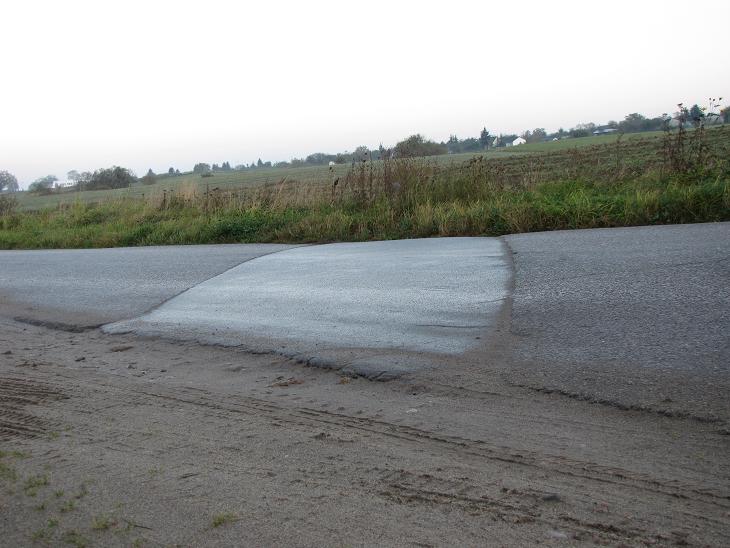
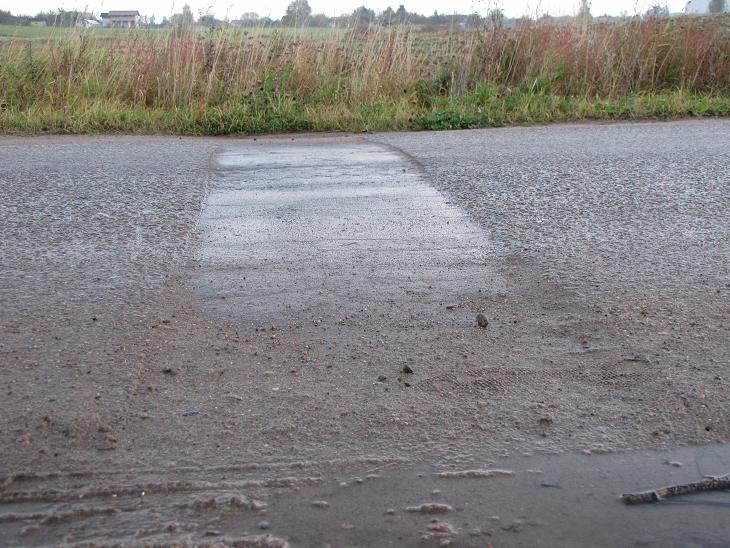
In the best situation, when a mole runs away downward or in some horizontal direction, you will be forced to find it somewhere near the intended destination. Worse, if a mole runs away upward, as a result of encountering a hard obstacle. As you reach a depth above the safe depth for making boreholes (which depends on the diameter of the mole and the degree of soil compaction), the surface under which you are working will lift and a hump will form on the road or sidewalk. The cost of repairing such damage to the surface can far exceed your income from the installation being carried out.

The situation is similar when making boreholes with a mole, the head of which shows significant wear. Such a head is shown below.

ilustracja

In that case, it is really worth investing in a new head.

Other important parameters are the correct ratio between the machine's diameter, length and weight, and the resulting position of the center of gravity. These parameters are optimized as early as the design phase, and then verified during testing of the prototype machine. In our moles, during design, we adopted the principle that the mole's center of gravity (CG) should be located around half the mole's length, but at the same time closer to the mole's head than the mole's center of pressure (CP). The location of the center of gravity of the mole (CG) around half of its length, positively influences on maintaining the set trajectory during piercing, eliminates the influence of the weight of the machine on the potential possibility of deviation from the set course. Such mutual positioning of these centers (CG in relation to CP) is aimed at maintaining a constant preset trajectory during making boreholes, and the automatic return of the mole to the preset, proper trajectory, especially in the case of variable and difficult ground conditions, where we are dealing with different density, moisture content and different types of soil. In addition, the distance itself between the indicated centers is important.

ilustracja

This principle, unfortunately, cannot be applied to the so-called short versions of moles. In these devices, unfortunately, due to the need to provide them with sufficient energy and frequency of operation, the mole's center of gravity (CG) is located at a greater distance from the mole's head than the mole's center of pressure (CP). This unfortunately results in the mole's tendency, after breaking out of its preset trajectory, to plunge further in the direction of that deviation instead of returning back to the trajectory set at the beginning. Therefore, wherever field conditions permit, we suggest using standard LONG moles. Of course, this is not to say that short moles absolutely do not do well when it comes to accuracy. Their accuracy will be satisfactory at short distances, from 10 to 20 meters, depending on ground conditions. Let's remember what was mentioned earlier: a change in the angle of the mole's track by just 1o, results in a deviation of as much as 20 cm from the planned exit point of the machine, over a distance of 10 meters of piercing. The greater the distance of making boreholes, if the mole deviates (due to ground conditions), the deviation will increase in proportion to the distance of the piercing.

The accuracy of making boreholes is also strongly influenced by the operator himself, through the correct positioning of the mole in the beginning of the piercing, and any further corrections before it sinks completely into the ground. Details can be found in the document - Manual for optical set.

We must remember that when aiming, the Optical Set should be in a perfectly vertical position on the mole. For this purpose, we use the vial (level) (1) located in the front part of the Optical Set housing (5):

ilustracja

After setting up the Optical Set on the mole, first ensure that the Vial (1) is pointing vertically. Only after this condition is met should the mole be set so that the Target Cross (2) is at the correct height of the Optical Set Pole (3).

The accuracy of the moles also allows you to perform sewer installations, so-called gravity.

Finally, here is what our experience looks like when working with a mole in soils of different types:

SOIL TYPE

BEHAVIOR OF THE MOLE

Peat

It can flee downward due to its mass. The low friction against the ground causes slow completion of the piercing. The ground collapses directly behind the mole.

Silt / sludge

It can flee downward due to its mass. The low friction against the ground causes slow completion of the piercing. The ground collapses directly behind the mole.

Soft clay

Be careful when aiming so that the mole does not run away in a downward direction.

Hard clay

Mole will tend to run upward.

Dry sand

The mole should maintain the straight direction of the route. It is recommended to pull the pipe directly at once, due to the backfill behind the mole.

Wet sand

It can flee downward due to its mass. The low friction against the ground causes the piercing to be slow. The amount of air supply should be reduced.

Wet / dry gravel

Large fractions can affect the mole's deviation from the set course, especially with a conical head. Also, the presence of hollow areas or water pockets can affect the direction of the mole.


It is worth mentioning that, with our MAX K130S, we won 1st place in the First Official International Jacking Competition, the so-called MOLE’S RODEO. It was accuracy that determined our success.

ilustracja

And our numerous customers consider our machines to be the most accurate among those available on the market. Our customers report to us from time to time about accurately executed thrusting, at distances exceeding even 40 meters. Most recently, NALTEL gave us information about an accurately executed piercing at a distance of 43 meters, using a MAX K180S mole, the heaviest machine in our mole range.


Krzysztof Dydel

How to make a jacking underground?

Samodzielny przecisk

Do samodzielnego przecisku maszyna musi być wyposażona we wkrętkę. W celu wykonania samodzielnego przecisku należy podłączyć węże między kretem a stacją sterująco-smarującą oraz sprężarką.

ilustracja

Następnie należy:

  • Umieszczoną w wykopie startowym maszynę przeciskową ustawić zgodnie z trasą przecisku.
  • Ustawić zawór sterowania w położeniu do pracy w przód.
  • Otworzyć szybkim ruchem zawór dopływu powietrza do maksymalnego otwarcia w celu uruchomienia maszyny.
  • Gdy maszyna zacznie pracować należy zmniejszyć ilość doprowadzanego powietrza. Jest to niezbędne ze względu na to, że maszyna nie jest jeszcze zabita w gruncie i przy pełnym otwarciu powietrza może oscylować przód-tył nie przemieszczając się do przodu. Zmniejszenie ilości doprowadzanego powietrza zapobiegnie oscylowaniu i maszyna zacznie przesuwać się do przodu.
  • Podczas wchodzenia maszyny w grunt wyłączać ją i kontrolować czy nie schodzi ona z zadanego kierunku.
  • Gdy maszyna wejdzie w grunt na 1/2 ÷ 2/3 swojej długości (zależnie od rodzaju gruntu) można stopniowo zwiększać ilość doprowadzanego powietrza aż do pełnego otwarcia zaworu.
  • Podczas trwania przecisku kontrolować pracę maszyny poprzez obserwację wciąganego węża zasilająco-sterującego oraz odgłosu pracy.  Gdy wąż zaczyna oscylować przód-tył oznacza to, że maszyna straciła dobre tarcie w gruncie (strefa luźnego gruntu). W tej sytuacji należy zmniejszać ilość dostarczanego powietrza aż do momentu właściwej pracy maszyny.
  • Podczas pracy należy zapewniać właściwe smarowanie poprzez odpowiednie ustawienie pokrętła smarowania powietrza na olejaczu.
  • Zmniejszyć ilość doprowadzanego powietrza w momencie osiągnięcia wykopu docelowego.

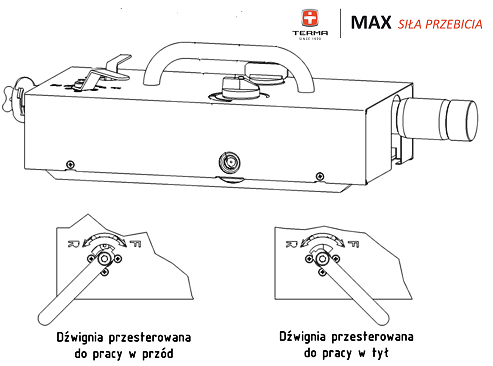
Gdy maszyna trafi na przeszkodę, której nie może pokonać lub przeszkodę, której uszkodzenie może spowodować zagrożenie, oraz gdy istnieje podejrzenie o zejście z trasy przecisku, należy ją natychmiast wycofać. Wycofanie maszyny można także wykorzystać, gdy nie ma możliwości wyjęcia jej z wykopu docelowego. W celu wycofania maszyny należy zmienić położenie dźwigni zaworu przesterowania na położenie do pracy w tył.

ilustracja

Przesterowania można dokonać bez odcinania dopływu powietrza zasilającego. Podczas wycofywanie kreta należy pilnować stałego napięcia węża zasilająco-sterującego aby uniknąć jego zablokowania się w otworze przecisku i załamania, które może doprowadzić do odcięcia dopływu powietrza zasilającego.


Ręczne wciąganie rury z tworzyw sztucznych

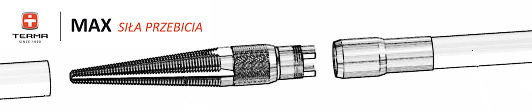
Do ręcznego wciągania rur z tworzyw sztucznych potrzebna jest końcówka skrawająca. Metoda ta może być stosowana dla rur o średnicy od 25 do 60mm.

ilustracja

W celu ręcznego wciągnięcia rury należy:

  • Po wykonaniu przecisku odłączyć maszynę od przewodu zasilająco-sterującego oraz od olejacza pozostawiając wąż w wykonanym otworze.
  • Wkręcić końcówkę skrawającą we wciąganą rurę.
  • Połączyć końcówkę skrawającą z wężem zasilająco-sterującym.
  • Wciągnąć rurę w wykonany otwór ciągnąc za wąż zasilająco-sterujący od strony wykopu startowego.


Natychmiastowe wciąganie rury

Do natychmiastowego wciągania rur o średnicach do 90 mm, maszyna przeciskowa musi być wyposażona w tuleję skrawającą do wciągania rur. Przydatny także jest klucz łańcuchowy, do zamontowania wciąganej rury w tulei.

ilustracja

W celu natychmiastowego wciągnięcia rury należy:

  • Podłączyć węże pneumatyczne między kretem a stacją sterująco-smarującą oraz sprężarką.
  • Umieszczoną w wykopie startowym maszynę przeciskową ustawić zgodnie z trasą przecisku.
  • Ustawić zawór sterowania w położeniu do pracy w przód.
  • Otworzyć szybkim ruchem zawór dopływu powietrza do maksymalnego otwarcia w celu uruchomienia maszyny.
  • Gdy maszyna zacznie pracować należy zmniejszyć ilość doprowadzanego powietrza. Jest to niezbędne ze względu na to, że maszyna nie jest jeszcze zabita w gruncie i przy pełnym otwarciu powietrza może oscylować przód-tył nie przemieszczając się do przodu. Zmniejszenie ilości doprowadzanego powietrza zapobiegnie oscylowaniu i maszyna zacznie przesuwać się do przodu.
  • Podczas wchodzenia maszyny w grunt wyłączać ją i kontrolować czy nie schodzi ona z zadanego kierunku.
  • Zatrzymać maszynę przeciskową, gdy będzie schowana w ścianie wykopu do około ¾ swojej długości.
  • Odłączyć wąż zasilająco-sterujący od krótkiego węża maszyny przeciskowej.
  • Wprowadzić wąż zasilająco-sterujący do wnętrza rury, która ma być wciągana.
  • Podłączyć wąż zasilająco-sterujący do węża krótkiego maszyny przeciskowej.
  • Wkręcić wciąganą rurę w tuleję skrawająca przy użyciu klucza łańcuchowego aż do wyraźnego oporu.
  • Uruchomić maszynę przeciskową.
  • Zmniejszyć ilość doprowadzanego powietrza w momencie osiągnięcia wykopu docelowego.
  • Wyprowadzić maszynę przeciskową w wykopie docelowym na taką odległość, aby można było swobodnie odłączyć rurę i wąż zasilająco-sterujący od maszyny.
  • Zatrzymać maszynę przeciskową.
  • Odłączyć maszynę przeciskową od wciągniętej rury przy użyciu klucza łańcuchowego.
  • Odłączyć wąż zasilająco-sterujący od maszyny przeciskowej.

Do natychmiastowego wciągania rury o średnicach od 90 mm, maszyna przeciskowa musi być wyposażona w tuleję do wciągania rur. Dodatkowo niezbędna jest lina do wciągania rur oraz zacisk liny z napinaczem.

ilustracja

W celu natychmiastowego wciągnięcia rury należy:

  •  Podłączyć węże pneumatyczne między kretem a stacją sterująco-smarującą oraz sprężarką.
  •  Umieszczoną w wykopie startowym maszynę przeciskową ustawić zgodnie z trasą przecisku.
  •  Ustawić zawór sterowania w położeniu do pracy w przód.
  •  Otworzyć szybkim ruchem zawór dopływu powietrza do maksymalnego otwarcia w celu uruchomienia maszyny.
  •  Gdy maszyna zacznie pracować należy zmniejszyć ilość doprowadzanego powietrza. Jest to niezbędne ze względu na to, że maszyna nie jest jeszcze zabita w gruncie i przy pełnym otwarciu powietrza może oscylować przód-tył nie przemieszczając się do przodu. Zmniejszenie ilości doprowadzanego powietrza zapobiegnie oscylowaniu i maszyna zacznie przesuwać się do przodu.
  •  Podczas wchodzenia maszyny w grunt wyłączać ją i kontrolować czy nie schodzi ona z zadanego kierunku.
  •  Zatrzymać maszynę przeciskową, gdy będzie schowana w ścianie wykopu do około ¾ swojej długości.
  •  Odłączyć wąż zasilająco sterujący od krótkiego węża maszyny przeciskowej.
  •  Wprowadzić waż zasilająco-sterujący i linę do wnętrza rury, która ma być wciągana. Wygodnie jest doczepić linę do węża zasilająco-sterującego za pomocą taśmy lub miękkiego drutu przed wprowadzeniem do wciąganej rury.
  •  Po wprowadzeniu odczepić linę od węża.
  •  Połączyć końcówki lin za pomocą śruby.
  •  Wsunąć wciąganą rurę do tulei do wciągania rur, napinając linę oraz wąż zasilająco-sterujący.
  •  Wprowadzić do drugiego końca wciąganej rury kołnierz zacisku liny.
  •  Przewlec linę przez szczęki napinacza.
  •  Docisnąć do wykasowania luzu dolne szczęki za pomocą śrub.
  •  Za pomocą dźwigni napinacza napiąć połączenie lina-zacisk-rura-tuleja do wciągania rur.
  •  Po dostatecznym napięciu dokręcić dolne szczęki za pomocą śrub motylkowych.
  •  Uruchomić maszynę przeciskową.
  •  Zmniejszyć ilość doprowadzanego powietrza w momencie osiągnięcia wykopy docelowego.
  •  Wyprowadzić maszynę przeciskową w wykopie docelowym na taką odległość, aby można było swobodnie wypiąć rurę, rozłączyć linę i przewód zasilająco-sterujący.
  • Zatrzymać maszynę przeciskową.
  • Poluzować szczęki dolne napinacza poprzez odkręcenie śrub motylkowych aby zwolnić linę do wciągania rur.


Wbijanie otwartej rury

Do wbijania rury maszyna przeciskowa może być wyposażona we wkrętkę lub tuleję do wciągania rur. Dodatkowo niezbędny jest stożek lub stożki właściwe dla średnicy wbijanej rury oraz pasy spinające.

ilustracja

W celu wbicia rury należy:

  • Przygotować wbijaną rurę poprzez przyspawanie na jej początku (koniec, który wchodzi w grunt) pierścieni odciążających z zewnątrz w celu zmniejszenia efektu zakleszczania się rury w gruncie w czasie wbijania i od wewnątrz w celu zagęszczenia urobku aby jego późniejsze usunięcie było łatwiejsze:

ilustracja

Na drugim końcu przyspawać uszy, które posłużą do spięcia maszyny z rurą za pomocą pasów spinających:

ilustracja


  • Umieścić i ustawić rurę w miejscu, w którym będzie wbijana (wykop, podnóże nasypu).
  • Umieścić stożek (stożki) w otworze rury.
  • Przygotować poziom pod usadowienie maszyny przeciskowej tak, aby oś maszyny była na wysokości osi wbijanej rury.
  • Wprowadzić maszynę przeciskową głowicą w stożek (stożki) i spiąć pasami z rurą zahaczając o tylny element maszyny (wkrętka lub tuleja do wciągania rur) i uszy przyspawane do rury.
  • Podłączyć węże pneumatyczne.
  • Ustawić zawór przesterowania w pozycji do pracy w przód.
  • Uruchomić maszynę przeciskową.
  • Po dojściu końca rury do miejsca docelowego wyłączyć maszynę.
  • Zdjąć pasy spinające.
  • Przesterować maszynę do pracy w tył.
  • Uruchomić maszynę przeciskową w celu wybicia jej ze stożka (stożków).
  • Wyjąc stożek (stożki) z rur.

Usuwanie urobku z wbitej rury

Do usunięcia urobku z wbitej rury niezbędna jest płyta wydmuchowa o wymiarze dopasowanym do średnicy wbijanej rury, tłok paliki do blokowania płyty wydmuchowej, wąż pneumatyczny z zaworami do płyty wydmuchowej oraz zestaw do cięcia gazowego.

ilustracja

W celu usunięcia urobku z rury należy:

  • Oczyścić wnętrze rury z urobku na głębokość ok. 3-4xD (D - średnica rury) od strony montażu płyty wydmuchowej.
  • Wypalić cztery otwory pod paliki ryglujące płytę wydmuchową.
  • Aby nie uszkodzić uszczelki płyty wydmuchowej należy usunąć żużel powstały po paleniu i poczekać aż rura ostygnie.
  • Włożyć tłok do rury.
  • Włożyć płytę wydmuchową do rury i zablokować ją palikami ryglującymi.
  • Napiąć uszczelkę płyty wydmuchowej dokręcając nakrętkę w płycie.
  • Podłączyć wąż pneumatyczny z zaworami do złączki płyty wydmuchowej krótszym końcem od strony zaworu.
  • Podłączyć drugi koniec węża do złączki sprężarki.
  • Upewnić się, że zawory wężu: główny oraz boczny, są w pozycji zamkniętej; sprawdzić pewność połączeń złączek.
  • Uruchomić sprężarkę.
  • Otworzyć zawór na sprężarce (zawory na wężu ciągle zamknięte) i poczekać aż ciśnienie w wężu wyrówna się.
  • Gwałtownie otworzyć zawór główny na wężu zasilającym, w celu doprowadzenia powietrza do wnętrza rury i usunięcia urobku.
  • Jeżeli urobek nie zacznie być usuwany w ciągu 2 min należy wyłączyć sprężarkę.
  • Rozładować układ z ciśnienia otwierając powoli zawór boczy na wężu.
  • Zamknąć zawór główny na wężu zasilającym.
  • Poprzez zawór boczny wlać wodę do węża w celu nasmarowania i uszczelnienia tłoka.
  • Zamknąć zawór boczny.
  • Powtórzyć czynności związane z próbą wydmuchu urobku z rury.
  • W momencie ruszenia urobku zmniejszyć ilość dostarczanego powietrza w celu ograniczenia prędkości wyrzucania urobku.


Wykonanie przecisku przy użyciu poszerzacza
(na przykładzie MAX K130S)

Do samodzielnego przecisku z poszerzaczami niezbędna jest maszyna przeciskowa wyposażona we wkrętkę, końcówka do holowania oraz wciągarka linowa lub inne urządzenie pozwalające na ciągnięcie zespołu kret+poszerzacz. Trzeba tu wspomnieć, że ma ono na celu wyłącznie asekurację w celu zapewnienia jak największej celności. Nie chodzi o siłowe wspomaganie samej realizacji przecisku z użyciem poszerzaczy.

ilustracja


W celu wykonania przecisku z użyciem poszerzacza należy:

  • Wykonać samodzielny przecisk maszyną przeciskową bez poszerzacza  Należy pamiętać o głębokości krytycznej która nie może być mniejsza niż 10 x średnica poszerzacza.
  • Po osiągnięciu przez maszynę przeciskową wykopu końcowego umieścić w nim wciągarkę w takiej pozycji, aby oś liny pokrywała się z osią wykonywanego przecisku. Następnie wciągarkę należy zaprzeć o ścianę wykopu.
  • Do głowicy maszyny przeciskowej przymocować linę wciągarki przy użyciu końcówki holującej i otworu w głowicy. Następnie należy wycofać maszynę przeciskową do wykopu startowego jednocześnie wciągając linę wciągarki.
  • (Można także wyjąć maszynę przeciskową z wykopu końcowego i przenieść do wykopu startowego, a linę wciągnąć do otworu przy użyciu węża zasilająco-sterującego).
  • W wykopie startowym zdemontować końcówkę holującą i założyć poszerzacz PO 160, ponownie założyć końcówkę holującą. Następnie należy wprowadzić maszynę przeciskową we wcześniej wykonany otwór i wykonać przecisk z jednoczesnym holowaniem maszyny przy użyciu wciągarki.
  • Po osiągnięciu wykopu końcowego należy zdemontować końcówkę holująca, wybić maszynę przeciskową z poszerzacza przesterowując ją na krótko do tyłu i wyjąć poszerzacz z wykopu.
  • Do głowicy maszyny przeciskowej przymocować linę wciągarki poprzez końcówkę holującą i otwór w głowicy. Następni należy wycofać maszynę przeciskową do wykopu startowego jednocześnie wciągając linę wciągarki.
  • (Można także wyjąć maszynę przeciskową z wykopu końcowego i przenieść do wykopu startowego, a linę wciągnąć do otworu przy użyciu węża zasilająco-sterującego).
  • Powtórzyć czynności z kolejnymi poszerzaczami do osiągnięcia wymaganej średnicy przecisku.
  • Jeżeli docelowo wykonywany jest otwór o średnicy Ø180 należy kolejno użyć poszerzaczy PO 160 i PO 180. Odpowiednio jeżeli docelowo wykonywany jest otwór  Ø195 mm, należy wcześniej użyć kolejno poszerzacza PO 160 i poszerzacza PO 180 i PO 195, w zależności od stopnia zagęszczenia gruntu w którym prowadzimy prace.


Wciąganie rury Ø160 przy użyciu poszerzaczy
(na przykładzie MAX K130S).

Do wciągania rur Ø160 potrzebny jest poszerzacz PO 160, poszerzacz PO 180, końcówka holująca, wciągarka linowa (lub inne urządzenie do ciągnięcia linki stalowej), lina do wciągania rur, maszyna przeciskowa wyposażona we wkrętkę holującą, linka pośrednia oraz zacisk liny z napinaczem wyposażony we wtyk Ø160-180.

ilustracja

W celu wciągnięcia rury Ø160 należy:

  • Wykonać czynności takie, jak w części Wykonywanie samodzielnego przecisku przy użyciu poszerzaczy od punktu.
  • Umieścić maszynę przeciskową w wykopie startowym, założyć na nią poszerzacz PO 180 oraz założyć końcówkę holującą wraz z liną wciągarki na głowicę maszyny przeciskowej.
  • Wprowadzić maszynę przeciskową z poszerzaczem do wcześniej wykonanego otworu na około 3/4 długości poszerzacza po czym ją zatrzymać.
  • Odłączyć wąż zasilająco-sterujący od maszyny przeciskowej i przewlec go przez wciąganą rurę wraz z liną do wciągania rur. Podłączyć ponownie wąż zasilająco-sterujący do maszyny, linkę przejściową do wkrętki holującej, a linkę do wciągania rur do linki przejściowej. Wsunąć wciąganą rurę do części wtykowej poszerzacza, aż oprze się ona o pierścień oporowy poszerzacza i spiąć ją przy użyciu liny do wciągania rur i zacisku liny z napinaczem.
  • Bardzo ważne jest w tym momencie utrzymywanie napięcia liny wciągarki aby maszyna przeciskowa nie została wyciągnięta z poszerzacza.
  • Wykonać przecisk z jednoczesnym holowaniem wciągarką linową.
  • Po osiągnięciu wykopu końcowego zdemontować końcówkę holująca i poszerzacz a maszynę przeciskową wyjąć z wykopu lub wycofać wciągniętą rurą lub wyjąć ją z wykopu końcowego.


Which machine to choose

We choose the piercing machine depending on the diameter of the borehole to be performed and/or the types and diameters of the pipes we are installing. The numerical value in the name of the machine is also its diameter, so the MAX K130S has a diameter of 130 mm. And such a diameter of the hole can be made with this machine, without using additional accessories.

There are dedicated groups of accessories for each machine, increasing its functionality. By going to the subsequent tabs of the sub-page PIERCING MACHINES, you can see what installations can be made and what accessories can be equipped with a given machine. Here we also encourage you to read the material in the section HOW THE MOLE WORKS and HOW TO MAKE A PIERCING.

The piercing machine can be equipped with, among other things, an expander, otherwise known as a calibrator. It allows you to make a piercing machine with a diameter much larger than the diameter of the machine itself. The table below illustrates what borehole diameters can be obtained with particular moles. It should be assumed and remembered that the final diameter of the borehole, after the passage of the mole, will slightly decrease, due to the expansion of the soil, compacted by the passage of the mole, and depends on the type of soil and the degree of compaction.


machine/ diameter

MAKING BOREHOLES (mm)

Ø55

Ø65

Ø75

Ø95

Ø135

Ø130

Ø160

Ø180

Ø195

Ø219

Ø244

K55S


K65KS


K65S


K75KS


K75S


K95S


K130S


K160S


K180S


mole


mole + expander


When choosing the most suitable machine, you need to assess what diameters you will make most often. If, for example, the most common diameter will be in the vicinity of 130 mm, and occasionally larger diameters, the most economically reasonable choice will be the MAX K130S with a suitable expander. You must remember that making a widened hole, involves double the work. That is, it is first necessary to do the piercing with the mole itself, and then let the machine armed with the expander run along the same track. This lengthens the time it takes you to do the work, but reduces the costs you would have to incur if you decided to buy a larger mole.

If, on the other hand, in the future, there will be more and more work making larger diameter boreholes, the purchase of a larger machine becomes economically justified. The larger machine will allow faster performing (in a single operation) of larger diameter boreholes, of which you will have more and more. In contrast, the smaller K130S, purchased earlier, will only be used for smaller piercing operations.

The situation is similar when choosing a machine for direct pulling of PE/PVC pipes. The table below shows typical PE/PVC pipe diameters and machines dedicated to a given diameter.

machine/ diameter

PULLING PIPES PE/PVC (mm)

Ø50

Ø63

Ø75

Ø90

Ø110

Ø125

Ø140

Ø160

Ø180

Ø200

Ø225

K55S


K65KS


K65S


K75KS


K75S


K95S


K130S


K160S


K180S


mole + accessories for pulling pipes


mole + accessories for pulling pipes or/and expander


In RED are marked pipe diameters that can be installed using only a suitable pull-in sleeve installed in place of a standard screw.

The GRAY color indicates pipe diameters for which we will need not only the pull-in sleeve itself or a special towing screw, installed in place of a standard screw, but also a suitable expander.

PE/PVC pipes with diameters from 25 to 55 mm can be pulled in manually, having first performed a piercing. For pulling in such diameters, there is a tool for manual pulling of pipes.

Moles are universal piercing devices. This means that it is possible to install PE/PVC pipes and to ram steel pipes with them. The following table shows the capabilities of each machine for ramming steel pipes.

machine/ diameter

RAMMING STEEL PIPES (mm)

Ø133

Ø159

Ø219

Ø273

Ø323

Ø355

Ø406

Ø457

Ø508

Ø610

Ø711

K55S


K65KS


K65S


K75KS


K75S


K95S


K130S


K160S


K180S


T240


mole + dedicated cone (set of cones)


As you can see, the larger the machine, the greater the capabilities. However, it should be remembered that larger machines mean greater difficulty in maneuvering a heavier machine during the work. To make piercing easier, use a machine that is sized for the size of the specific installation. It is also worth considering the type of soil and the length of the pipe to be rammed. In one case, the K130S will perfectly cope with ramming a pipe with a diameter of 323 mm and a length of 20 meters. And in another place, when we are dealing with extremely difficult ground conditions, only a machine of a larger caliber will allow the efficient completion of a similar task. A smaller machine will also cope with this installation, but the ramming process will take a little longer. Remember, however, that in carrying out any piercing work, the most important thing is the accuracy of the machine itself (in the case of PE/PVC pulling or self-piercing) and proper preparation related to aiming and giving direction to the machine and/or the steel pipe being rammed.

The table below compiles the technical data of the moles and rammer from our offer:

PARAMETER

UM

MAX K55S

MAX K65KS

MAX K65S

MAX K75KS

MAX K75S

MAX K95S

MAX K130S

MAX K160S

MAX K180S

MAX T240

diameter

mm

55

65

65

75

75

95

130

160

180

240

length

mm

1180

937

1366

1146

1501

1641

1815

2110

2256

1639

weight

kg

15

15

22,5

24,5

33

56

115

203

275

378

air consumtion*

m3/min

0,7 (1,1)

0,8 (1,2)

0,8 (1,2)

1,0 (1,2)

1,1 (1,8)

1,7 (2,5)

2,4 (3,6)

3,5 (4,5)

4,5 (5,0)

6,0-7,5

air pressure

atm

7

7

7

7

7

7

7

7

7

6

impact energy

J

40

70

100

80

150

250

430

710

1140

2000

impact frequency

Hz

8

11,5

6

7,6

6

7

6

6

5

1,7-2,5

*the recommended value in brackets ensures optimal working parameters


The growing popularity of trenchless techniques and the stricter criteria for selecting this method as the most suitable in an increasing number of cases means that the demand for trenchless installation projects is growing rapidly. This, in turn, means that the piercing machine is becoming an indispensable, even standard tool for more and more installers and construction companies, just like an impact drill or angle grinder. We observe that more and more companies are choosing to have more impact moles of different sizes in order to more effectively and efficiently complete specific orders. We suppose, therefore, that it is reasonable economically and profitable to invest in a fleet of piercing machines as the number and size of installations carried out grows.

MACHINE OFFER - click here

WHY CHOOSE OUR PRODUCT - click here

Feel free to contact us directly for more information. We will help you choose the most suitable machine for your needs.